What is a Performing Arts Company?
What is a Performing Arts Company?
Performing arts have been a vital part of human culture for centuries, offering audiences entertainment, inspiration, and emotional connection. But behind every captivating theatre production, dance recital, or musical extravaganza, there is a performing arts company working tirelessly to bring it to life. If you’ve ever wondered, “What is a performing arts company?” — you’re not alone. Many people see the finished product on stage but rarely think about the organisation behind it.
In this article, we’ll explore the definition, structure, and purpose of a performing arts company. We’ll also look at the benefits they bring to communities, the different types of companies that exist, and how they contribute to the wider cultural landscape.
Definition of a Performing Arts Company
A performing arts company is an organisation that creates, produces, and presents live performances for public consumption. These performances may include:
- Theatre productions – Plays, musicals, and dramatic performances.
- Dance performances – Ballet, contemporary, or street dance showcases.
- Music performances – Classical concerts, operas, or even popular music events.
- Multidisciplinary productions – Shows that blend theatre, dance, music, and visual arts into one cohesive experience.
Unlike film or television production companies, which create content for on-screen consumption, performing arts companies focus on live, in-person experiences. Their goal is to engage and inspire audiences in real-time, often with the unique energy and unpredictability that only live performance can offer.
What Does a Performing Arts Company Do?
To put it simply, a performing arts company brings together creative professionals, performers, and production staff to deliver live shows. Their core responsibilities include:
- Producing Performances
Every show you see on stage has been months (or even years) in the making. Performing arts companies handle the entire production process, from script development and casting to rehearsals and live performances. They oversee everything from costume design and lighting to sound production and stage management. - Managing Talent
Performing arts companies are responsible for hiring and managing a wide range of talent, including actors, dancers, musicians, and backstage crew. The company’s ability to identify and nurture talented performers is often crucial to its success and reputation. - Marketing and Ticket Sales
No performance can succeed without an audience. Performing arts companies use marketing strategies and public relations to generate interest and sell tickets. This might include social media promotions, partnerships with local schools, and community outreach to build a loyal following. - Community Engagement
Many performing arts companies offer educational programs for schools, workshops for aspiring performers, and outreach initiatives for disadvantaged communities. Their role extends beyond entertainment to make the arts accessible to people from all walks of life. - Fundraising and Sponsorship
Since ticket sales alone rarely cover the cost of large-scale productions, performing arts companies often rely on funding from grants, donations, and sponsorships. This funding helps to ensure that performances are of high quality, even when ticket prices are affordable. - Advancing Cultural Heritage
Performing arts companies play a critical role in preserving and promoting cultural heritage. For instance, many companies specialise in traditional dance forms or regional music, ensuring these art forms are passed down to future generations.
Types of Performing Arts Companies
Performing arts companies come in all shapes and sizes, from large, internationally recognized institutions to small, community-focused groups. Here are the main types:
- Theatre Companies
Theatre companies produce live plays, musicals, and dramatic performances. Some focus on classical works (like Shakespearean plays), while others prioritise modern, original scripts. Well-known theatre companies include the Royal Shakespeare Company (RSC) in the UK. - Dance Companies
Dance companies are dedicated to the art of movement, from ballet to contemporary styles. Companies like the Royal Ballet or the Alvin Ailey American Dance Theater are global powerhouses of dance. Dance companies typically employ dancers as permanent members, giving them regular contracts. - Opera Companies
Opera companies, like the English National Opera (ENO), focus on blending music, drama, and stagecraft into one powerful performance. Opera companies require not only talented singers but also large orchestras, set designers, and production staff. - Music Ensembles and Orchestras
While some music ensembles perform as part of theatre or opera productions, others are standalone companies. Symphony orchestras, chamber music ensembles, and choirs often have their own production schedules and tours. - Youth Performing Arts Companies
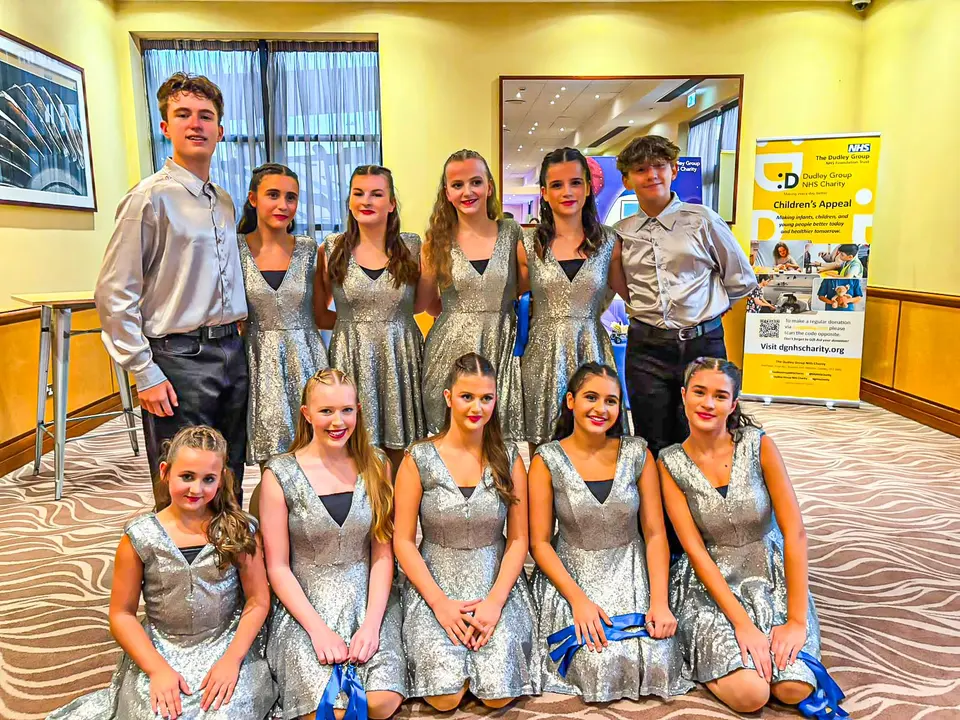
Youth-focused companies, like West End Kids, provide intensive training and live performance opportunities for young people. These companies help nurture the next generation of performers and often offer a bridge between education and professional performance careers. - Multidisciplinary Companies
Multidisciplinary companies break the boundaries between theatre, dance, music, and visual arts. Their productions are immersive, modern, and boundary-pushing. Punchdrunk is a great example of this approach, known for its site-specific, interactive performances.
Benefits of Performing Arts Companies
Performing arts companies are more than just creators of entertainment. They also provide significant social, cultural, and economic benefits to communities and individuals. Here’s how:
- Community Well-Being
Exposure to the arts has been linked to better mental health and emotional well-being. Performing arts companies provide experiences that promote relaxation, empathy, and personal reflection. - Education and Skills Development
By offering workshops, training programs, and school outreach projects, performing arts companies help individuals develop creativity, communication, and critical thinking skills. This is particularly true for youth-focused companies that aim to nurture the next generation of performers. - Cultural Preservation
Some companies are dedicated to preserving and promoting traditional art forms, whether it’s classical ballet, traditional folk dance, or indigenous music. By doing so, they ensure that these forms of expression aren’t lost to history. - Economic Contributions
Performing arts companies contribute to the local economy by creating jobs for performers, stagehands, marketing professionals, and hospitality workers. They also drive tourism, as people travel to cities to experience high-profile productions. - Inclusivity and Accessibility
Many companies aim to make the arts accessible to people from all walks of life, regardless of age, ability, or background. Relaxed performances, captioning, and audio descriptions are often provided to make live performances more inclusive. - Building Community Identity
A city or town’s reputation can be significantly influenced by its performing arts scene. Areas with high-quality performances attract more tourism, residents, and economic investment. Think of London’s West End or New York’s Broadway, both of which have become synonymous with world-class entertainment.
How to Get Involved with a Performing Arts Company
For those inspired to get involved in performing arts, there are many pathways.
- As a Performer: Attend auditions and join local theatre, music, or dance groups. Training in singing, acting, or dance is often essential.
- As a Supporter: You can become a patron or sponsor of a local company, helping to fund productions.
- As a Volunteer: Community theatre groups often welcome volunteers for roles like set design, stage crew, or front-of-house duties.
- As an Audience Member: Simply by attending performances, you are supporting the arts. Purchasing tickets provides much-needed revenue for companies to continue their work.
Conclusion
A performing arts company is a hub of creativity, education, and culture. It brings together performers, production teams, and audiences to share the magic of live performance. From youth companies nurturing future stars to world-famous ballet troupes gracing international stages, these companies enrich communities, preserve cultural heritage, and inspire generations.
Whether you’re interested in the behind-the-scenes production process, the performers on stage, or the community programs they run, performing arts companies are far more than meets the eye. They are cultural cornerstones that continue to thrive in an ever-changing world.
If you’re considering supporting, joining, or just understanding the role of a performing arts company, remember that every ticket you buy, every class you attend, and every donation you make supports the continuation of this vibrant, essential industry.
So, next time you sit in a theatre, watching the lights dim and the curtain rise, take a moment to think about the people, passion, and preparation that brought the show to life. You’ll realize that a performing arts company is much more than just the actors on stage – it’s a creative powerhouse that continues to inspire, entertain, and unite us all.